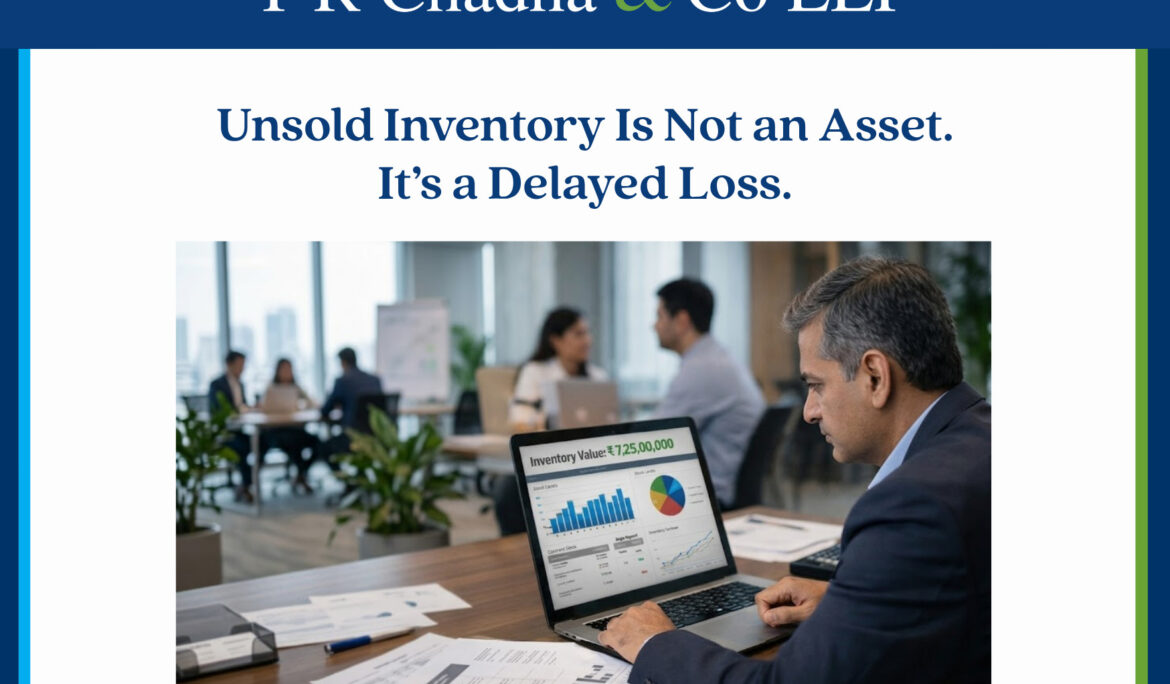
On paper, inventory sits comfortably as an asset. In reality, unsold inventory is often a delayed loss waiting for recognition. Most businesses still view inventory valuation as an accounting exercise. In volatile markets, it’s a judgement call and sometimes an optimism test.
Where the gap begins
● Cost doesn’t equal value anymore – Rising competition, discounting pressure, and demand shifts can erode selling prices long before books reflect it.
● NRV warnings appear early but get ignored – Slow movement, higher holding costs, and changing customer preferences signal trouble months before year-end reviews.
● Standard costing hides inefficiencies – Lower production volumes inflate inventory values through overhead absorption, making margins look healthier than they are.
● Cash tells a different story – If inventory looks strong but cash cycles are tightening, someone will eventually question the disconnect – auditors, lenders, or investors.
The real risk isn’t valuation. It’s credibility. When write-downs finally happen, they don’t just impact profits. They raise questions about forecasting, governance, and management judgement.
What disciplined finance teams are doing differently
Reviewing NRV indicators quarterly, not annually
Linking inventory assumptions to real sales pipelines
Stress-testing valuations under downside scenarios
Documenting judgement, not just final numbers
Inventory rarely becomes a problem overnight. It becomes a problem when accounting reality lags business reality. And markets are far less forgiving of delayed recognition today.