GST 2.0 changed the rates. Perhaps the harder part of GST is what comes next: Can the system become simpler to litigate?
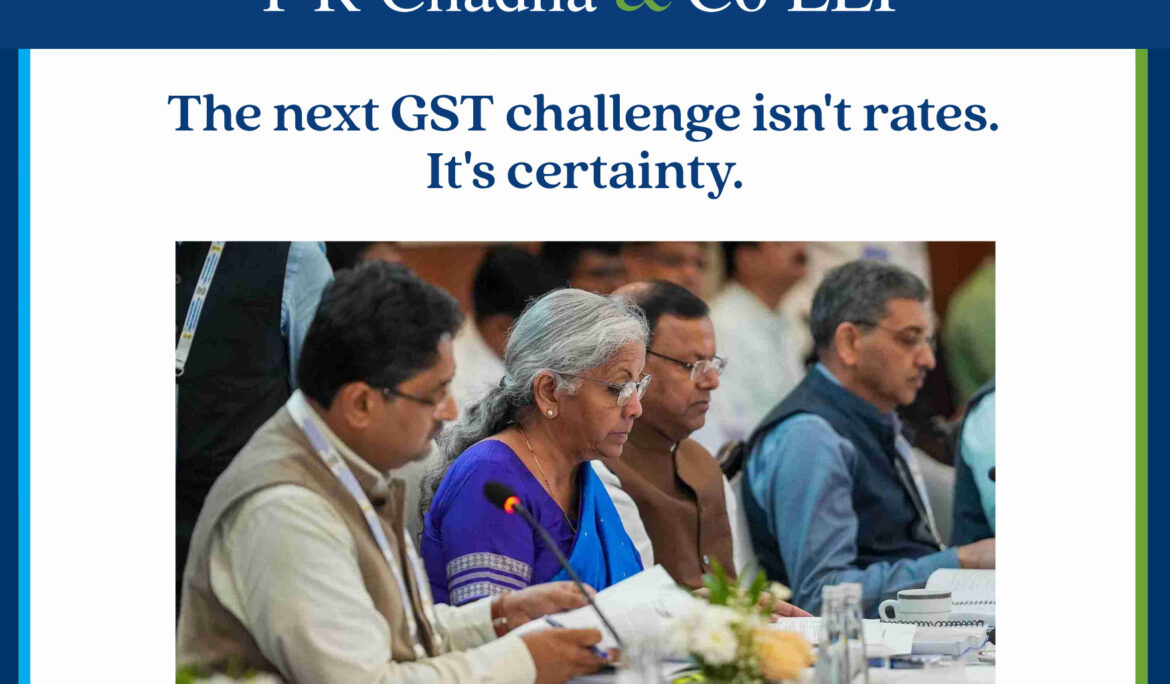
The 57th GST Council meeting, scheduled for 7 October, is expected to focus on process reforms, including e-invoicing and input tax credit rules. There was another interesting message from the Finance Minister recently.
She asked tax professionals and industry bodies to move beyond the usual wishlist of lower rates and exemptions and instead identify provisions that should actually be removed or changed, backed by evidence.
That is particularly relevant for GST. Businesses don’t experience GST only through the rate printed on an invoice. They experience it through questions like:
Can this ITC be claimed? What happens when the supplier defaults? Why does the same transaction receive different interpretations? How much documentation is enough? And eventually: How much time and money will it take to defend a position?
Rate rationalisation can simplify the tax calculation. The next opportunity is to simplify the experience of being compliant. So here’s a more useful wishlist:
If you could remove just ONE GST provision that creates disproportionate compliance or litigation, what would it be and why?