The invoice existed. The revenue was in the books. But the bank account had no corresponding money.
ICAI’s September 2026 Disciplinary Updates revisit a case involving fictitious “Sales-Bio-IT” transactions that were allegedly recorded to present an inflated financial position.
The investigation found something particularly uncomfortable: bank statements showed no monetary transactions relating to those alleged services, and the Managing Director admitted that no amount had been received against them.
For an auditor, that creates a very different question from: “Does the invoice exist?”
A revenue transaction has a chain. Contract, customer, service or delivery, invoice, receivable, tax trail and eventually, consideration.
The longer the chain, the more opportunities there are for independent evidence to challenge what the books say.
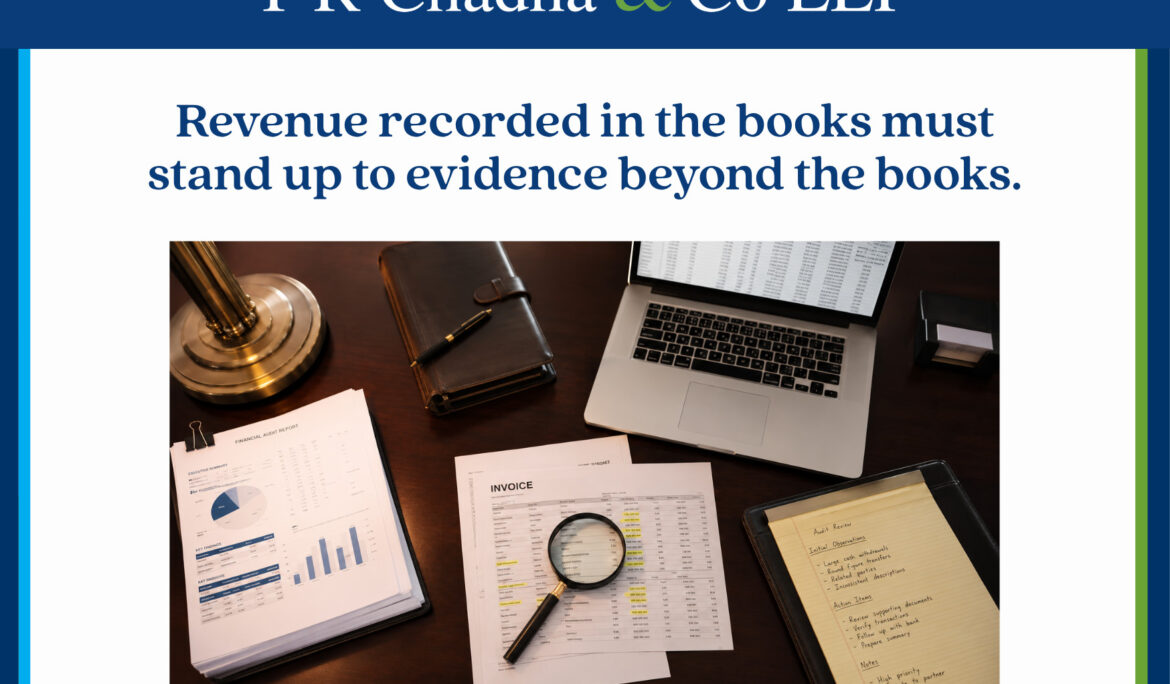
That is where professional scepticism becomes practical. Not assuming that an invoice is false. Not assuming that it is genuine either. But asking: “What evidence exists outside the ledger that tells me this transaction actually happened?”
For significant or unusual revenue, three independent checks can be particularly revealing:
→ Customer confirmation
→ Evidence of actual delivery/service
→ Subsequent settlement or other independently verifiable consideration
The books can record a transaction perfectly. The audit has to establish whether the transaction existed beyond the books.
When you are auditing revenue, what evidence would make you comfortable that the sale actually happened?